


Zigong Lituo New Material Corp.,Ltd. is founded in 2006, located in China second largest cemented carbide distributing center -- Zigong, where is known as" age-old salt city, southern city of lights and dinosaur town".
We are committed to:leading technology, promoting quality, improving equipment and innovating management. We gradually formed a standardized manufacturing advantages to ensure that the products have stable and high qualities.
Why Choose Us?
High quality
We gradually formed a standardized manufacturing advantages to ensure that the products have stable and high qualities.
Competitive Price
We offering a higher-quality product or service at an equivalent price. As a result we have a growing and loyal customer base.
Rich experience
Our company has many years of production work experience. The concept of customer-oriented and win-win cooperation makes the company more mature and stronger.
24 hours online response
We try and respond to all concerns within 24 hours and our teams are always at your disposal in case of any emergencies.

Quick Details Package Details pallet or other standard exporting packages Description : C arbide insert blades are plow blades with slugs of tungsten carbide brazed into the thickness of the blade. Carbide is an extremely durable substance that substantially extends blade life up to 20 times...
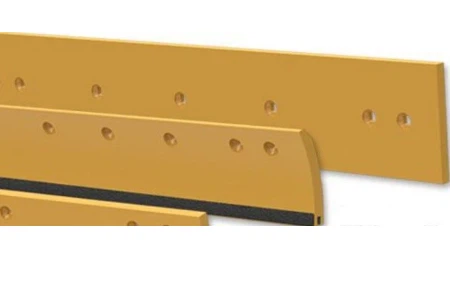
Tungsten Carbide Insert Snow Plow Blade
Carbide snow plow blades are used on the front, underbody, and wing of a snow plow. Carbide snow plow blades look very similar to traditional steel cutting edges;
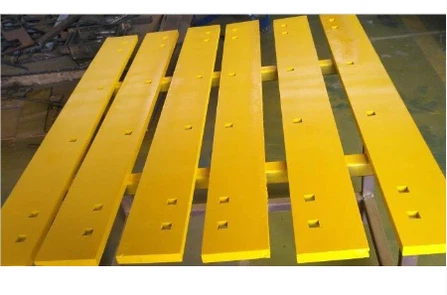
Tungsten Carbide Bead Weld Blade
Carbide insert blades are plow blades with slugs of tungsten carbide brazed into the thickness of the blade. Carbide is an extremely durable substance that substantially extends blade life up to 20 times over standard carbon steel blades.

Oscillating Carbide Blade consists of steel segments vulcanized in rubber with steel bushing positioned to facilitate mounting on standard 12 inch centers.The steel segments have been milled slot and brazed with tungsten carbide inserts along the wearing edge.

Quick Details Package Details pallet or other standard exporting packages Description : C arbide insert blades are plow blades with slugs of tungsten carbide brazed into the thickness of the blade. Carbide is an extremely durable substance that substantially extends blade life up to 20 times...
What is Snow Plow Blade?
A steel blade is the most commonly used type of snow plow blade. For most municipalities, steel snowplow blades are their first choice to remove snow and ice in winter due to low initial costs. Steel blades are ideal for removing packed snow on the roads without using salt or chemical.
Benefits of Snow Plow Blade
Made of resilient rubber compounds, pressured to eliminate delaminations!
Gouge and abrasion resistant for maximum performance over any surface condition for smooth operation!
Yields higher snow removal by quickly penetrating through the heaviest snow and wiping surfaces clean!
Offers high speed runs easily adjusting to surface abnormalities for quick, damage-free snow removal!
Low maintenance costs and downtime because they have to be changed less frequently than steel blades!
Types of Snow Plow Blade
Straight blade
The most common type of snow plow blade is the straight blade. The straight blade is simply a moldboard attached to the snow plow arm and equipment. These types of straight blades come in various sizes, ranging from approximately 6 feet to 8 feet. Out of all snow plow blade types they are the most simple. A fixed snow plow blade has no additional hydraulic wings, or special features that allow for specific articulation of any portions of the plow blade. Rather, all the adjustments you can make with these are from the controller including the angle and tilt. This makes a straight blade easiest to pickup and learn with, as there are less variables to be concerned with. A straight blade plow is also the simplest with least moving parts, meaning less likelihood of anything breaking down. In the hands of a skilled operator, a straight blade plow setup may be all you need.
V-plow
Another common snow plow blade type is the V-plow. A v-plow is split down the middle of the moldboard as to allow for either side of the snow moldboard to be angled away from or towards the truck center. When the two sides of the moldboard of V-plow are pointed towards the center of the truck, or forward, this creates a scoop, or trap for the snow. This is great for narrower roads or pathways, and making precision maneuvers.
There is allot of flexibility in operation with a V-plow. When either side of the moldboard is angled away from the center of the truck, or outwards, this allows for a more normal straight blade plow operation. Even angling further can allow for easy clearing of heavy snow fall, where the V-plow allows the user to utilize the windrow technique with ease. Out of all types of snow plow blades, a V-plow, for pick-up trucks is considered one of the most versatile.
Winged blade
A winged blade is typically a straight blade snow plow moldboard but with wings on each end of the moldboard. Each wing can be controlled independently, and made either scoop or direct snow into the moldboard, or being angled away as to drive snow off the side of the snow plow truck path of travel. Having this adjustability with the wings allows for additional levels of maneuverability not found in a conventional straight blade plow setup. The wings retract or extend as you need, and can increase the overall width of a snow plow straight blade to which they are attached. Wing blades are controlled with hydraulics, just like most other snow plows components, and by widening the surface area of the plow can greatly increase the coverage of the snow plow blade. A winged blade generally increases efficiency and effectiveness for all types of snow plowing requirements, including parking lots, pathways, roads, and detailed properties.
Box plow
A box plow is generally a straight blade plow setup with wings on either side that help to channel snow back to the moldboard and reduce spillage off the sides. The benefit of the box plow is that it allows more snow to be accumulated in snow plow pass. The box plow blade setup increases efficiency of each snow plow pass and reduces the amount of time spent for re-targeting areas where windrow or spill of the side of the snow plow truck has occurred. A box plow can move more snow, but at the same time needs to be operated by the hand of a skilled operator. With more snow means more need to keep momentum, being prepared to course correct through counter-steering, and ensure path of travel remains consistent. The box plow is one of the most heavy duty types of snow plow blades and lets you bridge the gap between light duty pick-up and heavy equipment when it comes to plowing snow.
Bucket or scoop
A standard bucket or scoop can be found on many light to heavy equipment such as compact track loaders, front loaders, tractors, or telehandlers. They are all purpose attachments for these equipment, and can be used year round to facilitate earth moving, material moving, and in the winter, snow plowing and snow removal. With the right tilt and angle of attack, and a skilled operator, a bucket or scoop can be used to great effectiveness in both plowing snow, but also removing snow from a site. As is the nature of a front loader or telehandler, the articulation of hydraulic arms allows for snow to be picked up and placed in a dump truck to be hauled away from site. When space constraints are tight on a property requiring snow plowing, and snow has to be hauled away, consider a larger piece of equipment for the job. This is as opposed to a stand light to heavy duty pick-up truck, as you can both plow snow, and load it for removal if there is no where to feasibly pile it. Optionally a custom robber or poly cutting edge could be installed on the bucket or scoop attachment to improve efficiency and reduce wear on the metal components of the metal bucket/scoop itself.
Material of Snow Plow Blade
Steel
A steel blade is the most commonly used type of snow plow blade. For most municipalities, steel snowplow blades are their first choice to remove snow and ice in winter due to low initial costs. Steel blades are ideal for removing packed snow on the roads without using salt or chemical. However, the aggressiveness of steel snow plow blades can cause road damage, and blades wear quickly, resulting in frequent blade changes.
Rubber
A rubber cutting edge is another type of snowplow blade that can be mounted on a snow plow. Rubber snow plow cutting edges are also very popular because they are flexible to use, even on the decorative pavement, and can protect the road surface from damage. When it comes to removing light, fluffy snow, a rubber blade is a perfect candidate. Besides, to meet desired specifications, it can be pre-slotted for mounting. They are often installed on a stabilization bar or a steel blade and need longer cutting-edge bolts. Since rubber is not a hard and wear-resistant material, snow plow blades made of rubber wear more quickly than steel and carbide.
Polyurethane
Featuring outstanding affordability, durability, and abrasion resistance, polyurethane snow plow blades have many advantages over metal blades. They can be used in various applications, including sidewalks, highways, driveways, etc. Polyurethane blades reach a perfect balance between long service life and minor road surface damage. In addition to excellent durability, poly blades are stiff enough to clear the snow effectively. Also, polyurethane snowplow cutting edges reduce vibrations, so they can work on uneven road surfaces and are relatively quiet during operation compared to metal blades. Similar to rubber blades, poly blades can also be pre-slotted according to requirements.
High-carbon steel
Because high-carbon or "mild" steel is durable, cost-effective, and strong enough to take on hard snowpacks and thick ice, these inexpensive steel bolt-on edges are the go-to choice for many municipalities. Keep in mind, however, that steel is more likely to cause damage to roads, particularly if you choose a low-quality mild steel blade that can become damaged and misshapen.
Heat-treated steel
Heat-treated bolt-on edges are a step up from mild steel, with greater hardness (i.e. in the range of 410-512 on the Brinell scale, versus mild steel's 271-307 rating). These edges are put through an oven-heating and cooling process that makes them much more reliable and only a slightly higher expense. It's what we recommend in 99% of cases.
Tungsten carbide
Tungsten carbide is the hardest snow plow edge material on the market, which translates to an extremely long wear life. A snow plow blade made from this material can cut through the toughest ice and snowpack. Although they come at a higher price point, tungsten carbide blades are a great way to clear flat roads and surfaces. However, because carbide is also a brittle material, it may not be the best choice for uneven terrain where the edge is more likely to catch and chip or crack.
How to Maintain Snow Plow Blade
Regular inspections:
Conduct visual inspections of the cutting edge before and after each use. Look for signs of wear, damage, and general condition. Early detection of issues can prevent costly repairs and extend the edge's lifespan so that you don't need a snow plow blade replacement.
Sharpen the blade:
A sharp cutting edge is more efficient at cutting through snow and ice. Regularly sharpen the snow plow blade to maintain its cutting effectiveness. Many operators use a file, grinder, or honing stone for this purpose.
Proper height adjustment:
Ensure that the cutting edge is properly adjusted in terms of height and angle. A misaligned blade can lead to uneven wear and reduced plowing efficiency.
Inspect and replace hardware:
Check the bolts, nuts, and fasteners that secure the cutting edge. Replace any damaged or worn hardware to ensure your snow plow blade remain securely attached to the plow.
Use a deflector:
Consider using a deflector to prevent the snow from piling up in front of the plow blade. This can reduce the overall load on the blade and extend its lifespan.
Proper storage:
Store the plow with the cutting blade raised slightly off the ground to prevent it from resting on the blade, which can cause unnecessary wear.
Use a wear shoe:
Some snow plow blade include wear shoes or skid plates. These components help protect the cutting blade and the surface being cleared. Ensure wear shoes are in good condition and replace them as needed.
Replace when worn:
It's crucial to replace the cutting blade when it is significantly worn or damaged. Operating with a worn-out blade not only reduces efficiency but can also damage the surface being plowed.
Custom edges for unique conditions:
Consider using specialized cutting blade for specific conditions. For example, serrated or carbide-tipped blade are ideal for heavy ice or tough snow.
Keep records:
Maintain a maintenance log to track the condition of your cutting blade. This helps you schedule replacements and track performance over time.
Replacement Cycle Factors
When figuring out cutting edge replacement frequencies, it's not necessarily a matter of if you will need to replace it; it's a matter of when. The material removal rate of a plow edge is dependent on the friction between the surface and the material in contact with the ground. The six variables that impact this rate are:
Contact pressure
The more pressure there is, the more wear on your cutting edge. Uneven surfaces increase contact pressure when a small portion of the blade is in contact with the surface. It may be ideal to go with a thicker edge or accessorize with a high wear shoe kit to increase surface area on the road. This spreads the weight of the plow across a greater surface to slow the cutting edge wear.
Climate
Although there isn't a lot you can control, you can be aware of how the climate impacts your cutting edge wear rate. A wet, slushy climate found in the coastal region will typically lead to surface conditions that reduce friction and wear. Where-as a high altitude climate that is cold and dry tends to produce plowing conditions that increase friction and increases wear.
Surface conditions
Friction is decreased and causes less wear on loose or wet surfaces. Solid, dry surfaces increase friction and cutting edge wear.
Surface material
Granite or hard, scratchy surfaces (like many municipal roads) wear cutting edges quicker than smoother or softer surfaces like asphalt or parking garage pavement.
Speed
The faster you are traveling, the more heat is generated through friction which can increase the wear rate. When plowing a large, open warehouse parking lot with minimal obstacles, you can move faster versus a driveway where you need to slow down to accommodate the short distance increased obstacles.
Cutting edge material
Each material type wears at a different rate. Some cutting edges are made from harder material and can withstand more than softer materials. For instance, you will replace rubber edges much more quickly than you would a carbide edge.
Preparation
Before attaching the snowplow blade, clean and remove any debris or corrosion from the moldboard that might interfere with a tight assembly.
Repair
The moldboard acts as the support for the cutting edge. If the moldboard has been shortened from wear and tear, the backward blade torque will be increased, resulting in bolt and blade damage and/or breakage.
Bolts
Use Grade 8 Plow Bolts- Our Grade 8 heavy-duty domed head design made of alloy steel is proven to have an excellent strength to toughness ratio. With the square neck and counter sunk head design, our bolts will hold your blade firmly in place and distribute the load over a larger area.
To reduce bolt failure and blade chatter, use Number 3 head plow bolts with self-locking nuts.
Nuts
Use Grade 8 Nuts- Our Grade 8 Nuts are hardened to prevent flattening in use. Lock Nuts lock to the bolt (preferred).
*If using standard Grade 8 nuts, double up!
No lock washers
Lock washers are harder than the moldboard. If used, they will gouge the backside of the snowplow moldboard. These washers act as a cutting tool causing unwanted metal shards on the moldboard, and no matter how hard you tighten the nut, the metal shards will flatten. This causes the nut to loosen and will eventually shave/cut off the bolt. The hardened lock nut will prevent this from happening.
Proper torque requirements
Over-torque- causes heads to pop off. Under-torque shears the bolts due to moving blades during use.
Our Factory
Founded in 2006, Zigong Lituo New Material Corp.,Ltd is located in the Chinese famous tungsten carbide products base city-Zigong. We are one of the biggest manufacturers of tungsten carbide sleeve and carbide insert snow plow blade in China.


FAQ
Hot Tags: snow plow blade, China, suppliers, manufacturers, factory, high quality, hot sale, Cemented Carbide Cone Roller Bit Nozzle, Tungsten Carbide Interal Hexagonal Nozzle, Tungsten Carbide Insert, Tungsten Carbide Milling Inserts, Tungsten Carbide Straight Sleeve With Keyway, Tungsten Carbide Tips buttons For Mining


