


Tungsten Carbide Seal Rings
Zigong Lituo New Material Corp.,Ltd. is founded in 2006, located in China second largest cemented carbide distributing center -- Zigong, where is known as" age-old salt city, southern city of lights and dinosaur town”.
We are committed to:leading technology, promoting quality, improving equipment and innovating management. We gradually formed a standardized manufacturing advantages to ensure that the products have stable and high qualities.
Why Choose Us?
High quality
We gradually formed a standardized manufacturing advantages to ensure that the products have stable and high qualities.
Competitive Price
We offering a higher-quality product or service at an equivalent price. As a result we have a growing and loyal customer base.
Rich experience
Our company has many years of production work experience. The concept of customer-oriented and win-win cooperation makes the company more mature and stronger.
24 hours online response
We try and respond to all concerns within 24 hours and our teams are always at your disposal in case of any emergencies.


Product Categories


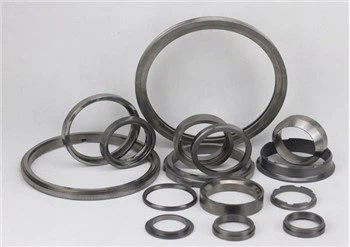
What is Tungsten Carbide Seal Rings?
Tungsten carbide seal rings are designed for maximum durability and protection, offering increased pressure resistance and a longer life span than traditional seal rings.
Benefits of Tungsten Carbide Seal Rings
Durability and resistance to corrosion and abrasion
There are many benefits to using tungsten carbide seal rings, but perhaps the most important is their durability and resistance to corrosion and abrasion. Our tungsten carbide seal rings are designed with a special coating that enables them to resist corrosion better than other seal materials. Additionally, the design of our tungsten carbide seal rings makes them highly resistant to wear and tear, ensuring longer life spans under difficult conditions than other seal materials.
High pressure & temperature tolerance
Our tungsten carbide seal rings are capable of withstanding extremely high pressures, even in chemical and thermal shock conditions. The superior compressive strength, density, and chemical inertness of tungsten carbide allow it to endure greater temperatures and pressure than other seals materials. As a result, our tungsten carbide seal rings can provide reliable protection against liquid media, no matter the working environment or operating temperature.
Versatility: Suitable for most applications and work environments
The versatility of our tungsten carbide seal rings makes them ideal for various applications, offering outstanding wear and protection in chemical and thermal shock working environments. Additionally, our tungsten carbide seal rings come with a high level of corrosion resistance, ensuring your sophisticated mechanical systems stay protected even in the most hostile conditions.
Cost savings: Lower maintenance and replacement costs
Tungsten carbide seal rings offer excellent value for money with minimal maintenance and fewer replacement costs than other seals on the market. As their strength and wear resistance are greater, these are more efficient over the long term and provide considerable cost savings. This makes them a great choice for high-pressure, high-temperature sealing applications when conventional seals would fail.
Non-reactive: Ideal for sensitive components
One of the key benefits of tungsten carbide seal rings is their non-reactive nature. These rings are extremely corrosion resistant, and as such still perform reliably in harsh conditions and offer superior protection to sensitive components. This allows you to trust that they will always operate optimally and maintain an airtight seal for longer periods of time.
Types of Tungsten Carbide Seal Rings
Static sealing ring
A static axial seal is one in which there is no motion and the sealing occurs parallel to the seal center-line. The sealing occurs on the top and bottom of the seal, aka the face of the seal.
Dynamic sealing ring
They are used when moving between the two surfaces is apparent. Required to prevent leakage, dynamic seals help contain pressure, creating a barrier between moving and stationary surfaces. Mainly found in applications such as cylinders, motors, pumps, pistons, etc.

Tungsten Carbide wear rings are widely used as seal faces in mechanical seals for pumps, compressors mixers, and agitators found in oil refineries, petrochemical plants, fertilizer plants, breweries, mining, pulp mills, and the pharmaceutical industry. The seal ring will be installed on the pump body and rotating axle and form through the end face of the rotating and static ring a liquid or gas seal.
Tungsten carbide wear rings are used for oil, sewerage, acid, alkali, fat, fluidified hydrocarbon, strong alkali with grain, the gas seal of the compressor.
Rotating face (primary ring)
This is the part of the mechanical seal that rotates with the shaft. It often has a hard, wear-resistant face made of materials like carbon, ceramic, or tungsten carbide.
Stationary face (seat or secondary ring)
The stationary face remains fixed and does not rotate. It is typically made of a softer material that complements the rotating face, creating a seal interface. Common materials include ceramic, silicon carbide, and various elastomers.
Elastomers
Elastomeric components, such as O-rings and gaskets, are used to provide a flexible and secure seal between the stationary housing and the rotating shaft.
Secondary sealing elements
These include secondary O-rings, V-rings, or other sealing elements that help prevent external contaminants from entering the sealing area.
Metal parts
Various metal components, such as the metal casing or the drive band, hold the mechanical seal together and secure it to the equipment.
Process of Tungsten Carbide Seal Rings
Various methods produce tungsten carbide mechanical seal rings, including powder metallurgy, hot pressing, and hot isostatic pressing. The powder metallurgy method entails blending tungsten carbide powder with a binder and pressing the mixture into the desired shape. Hot pressing involves heating the powder mixture to a high temperature and applying pressure to shape the seal ring. Hot isostatic pressing uses high temperature and pressure to produce a dense and uniform structure.
How to Maintain Tungsten Carbide Seal Rings
Tungsten carbide seal rings need to be cleaned regularly to remove rust and dirt on the surface and ensure their surface finish.
When not in use, it should be kept in a dry, dark place to protect it from moisture and oxidation.
Do not use chemical solvents to clean the surface of tungsten carbide seal rings, so as not to cause damage to the seal rings material.
Tungsten carbide seal rings need to be filled with lubricating oil during use to reduce the coefficient of friction and reduce wear.
The lubricating oil needs to choose a high-temperature lubricating oil, which can still maintain the lubricating performance at high temperature.
Attention should be paid to the moderation of the amount when filling the lubricating oil, too much or too little will affect the service life of the seal rings.
Factors That Can Influence the Storage Life of Tungsten Carbide Seal Rings
Temperature: Storage temperature should be below 38°C (except when higher temperatures are caused by temporary climate changes), tungsten carbide seal rings should be stored away from direct sources of heat (such as boilers, radiators, and direct sunlight).
Humidity: If the elastomers are not stored in sealed moisture proof bags, the relative humidity should be less than 75 % (65 % with polyurethanes).
Light: Especially direct sunlight or artificial light with ultraviolet content should be avoided; it is advisable that storage room windows should be covered with a red or orange coating if there are elastomers present.
Radiation: Protection from all sources of ionizing radiation that might cause damage.
Ozone: Ozone is damaging to some elastomeric seals, equipment such as mercury vapor lamps, high voltage electrical equipment, silent electrical discharges combustion gases or organic vapor should be avoided.
Deformation: Seals should be stored away from superimposed tensile and compressive stresses or other causes of deformation. Seal rings of large inside diameter shall be formed into at least three superimposed loops so as to avoid creasing or twisting. Note: It is not possible to achieve this condition by forming just two loops, three are required.
Contact with liquid and semi-solid materials: For example, contact with gasoline, greases, acids, disinfectants, and cleaning fluids - these should be avoided - unless they are an integral part of the component or the manufacturer’s packaging.
Contact with metals: Certain metals and their alloys (especially copper, manganese, and iron) are known to have deleterious effects on elastomers. Protection by individual packaging is recommended.
Contact with dusting powder: Dusting powders shall only be used for the packaging of elastomeric items in order to prevent blocking or sticking. In such instances, the minimum quantity of powder to prevent adhesion shall be used.
Contact between different elastomers: Should also be avoided.
Elastomeric seals bonded to metal parts: The metal part of bonded elastomeric seals shall not come in contact with the elastomeric element of another seal. The bonded seal shall be individually packaged. Any preservative used on the metal shall be such that it will not affect the elastomeric element or the bond to such an extent that the seal will not comply with the product specification.
Stock rotation: Elastomeric seal stock should be rotated on the FIFO (First In, First Out) principle.
Installing an Tungsten Carbide Seal Rings correctly is crucial to ensure a proper seal. Here are general steps to install an Tungsten Carbide Seal Rings:
1. Ensure that the mating surfaces (flanges, joints, or components) are clean, dry, and free from any debris, dirt, or old gasket material. Cleanliness is essential for a good seal.
2. Examine the tungsten carbide seal rings for any damage or defects, such as cuts, tears, or deformities, before installation. Ensure it matches the correct size and shape for the application.
3. Apply a thin layer of compatible lubricant to the tungsten carbide seal rings. This helps in easy installation and prevents damage to the tungsten carbide seal rings during assembly.
4. Carefully position the tungsten carbide seal rings into the groove or cavity in which it is meant to be installed. Ensure it sits evenly without twisting or stretching.
5. Gently align the mating components without pinching or displacing the tungsten carbide seal rings. Ensure the components are properly aligned to avoid uneven pressure on the tungsten carbide seal rings.
6. Assemble the parts and tighten any fasteners or bolts to the manufacturer’s recommended specifications. Avoid overtightening, which can deform the tungsten carbide seal rings and compromise the seal.
7. Once assembled, visually inspect the tungsten carbide seal rings area (if possible) to ensure the tungsten carbide seal rings is properly seated and there are no gaps or bulges indicating misalignment.
8. If applicable, perform a pressure test or leak test to confirm the integrity of the seal. This step is crucial in critical applications to ensure there are no leaks.
Seal Failure Analysis: Identifying Root Causes in Tungsten Carbide Seal Rings
Vibration and misalignment effects
Excessive vibration and misalignment can significantly impact the performance of tungsten carbide seal rings, leading to premature failure. Vibrations cause dynamic loads on the seal rings, resulting in wear and deformation, ultimately compromising the integrity of the sealing system. Additionally, misalignment between the seal ring, housing, and shaft induces excessive stress, resulting in accelerated wear and potential leakage.
To mitigate the effects of vibration and misalignment, various strategies can be implemented. Firstly, ensuring proper alignment of the rotating and stationary components is critical to distribute the load evenly across the seal ring. Special monitoring techniques, such as vibration sensors, can help identify and rectify any misalignment before it causes severe damage. Additionally, incorporating damping mechanisms, such as resilient mounting systems or vibration absorbers, can effectively reduce vibrations, safeguarding the integrity of the seal rings.
Chemical incompatibility
The corrosive nature of fluids being sealed can significantly degrade the performance of tungsten carbide seal rings. Exposure to chemicals and aggressive media can result in material degradation, leading to seal failure. It is essential to assess the chemical compatibility of the seal ring material with the fluid being sealed to ensure longevity and reliability.
Selecting suitable alternative materials or employing protective coatings can serve as effective strategies to combat chemical incompatibility. Materials such as ceramic composites or coatings with high chemical resistance can be utilized to replace or enhance the performance of tungsten carbide seal rings in corrosive environments. Additionally, regular inspections and maintenance protocols should be implemented to detect any signs of chemical attack and take necessary preventive measures.
Elevated temperatures
Sealing applications operating at high temperatures pose a significant challenge for tungsten carbide seal rings. Elevated temperatures can result in thermal expansion, loss of material hardness, and potential deformation, compromising the integrity of the seal. The selection of appropriate seal ring materials and understanding their thermal limits is crucial to overcome the challenges associated with high-temperature sealing.
Using specialized grades of tungsten carbide with improved thermal stability and resistance to deformation can enhance the performance of seal rings in high-temperature environments. Additionally, employing effective cooling mechanisms and utilizing advanced thermal barrier coatings can mitigate the detrimental effects of elevated temperatures on the seal rings and enhance their reliability.
Poor lubrication
Insufficient or improper lubrication can lead to excessive friction and wear on tungsten carbide seal rings, resulting in premature failure. Lubrication plays a vital role in minimizing frictional forces, dissipating heat, and providing a barrier against wear in dynamic sealing applications.
Applying appropriate lubricants and ensuring a sufficient supply to the seal interface is crucial to ensure smooth operation and extend the lifespan of tungsten carbide seal rings. Employing advanced lubrication systems, such as continuous monitoring and automatic replenishment, can provide consistent lubricant levels, reducing the risk of seal failures due to poor lubrication.
Installation and assembly errors
Improper installation and assembly processes can have a significant impact on the performance and longevity of tungsten carbide seal rings. Inadequate cleanliness, incorrect torque values, and mishandling during installation can introduce defects and compromise the sealing system's integrity.
Employing standardized installation procedures, ensuring proper training of personnel, and implementing strict quality control measures can minimize the occurrence of installation and assembly errors. Additionally, utilizing appropriate tools and equipment, such as torque wrenches, to achieve the recommended torque values can prevent overtightening or undertightening, reducing the risk of seal failures.
Our Factory
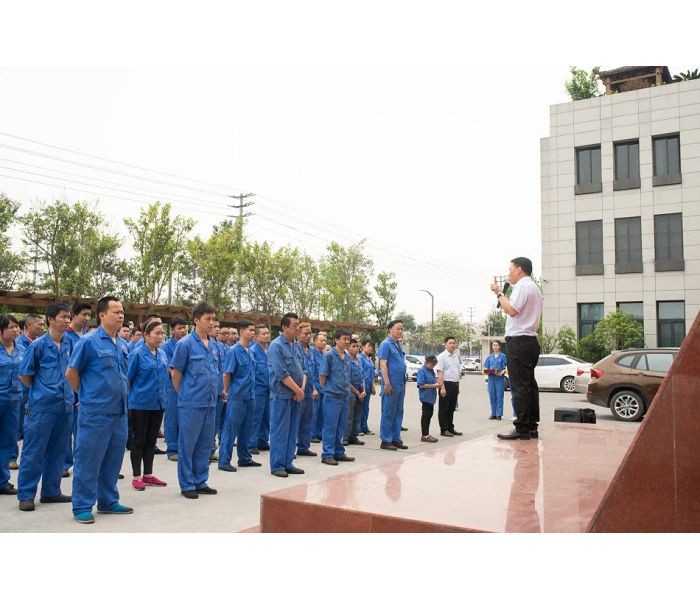
Founded in 2006, Zigong Lituo New Material Corp.,Ltd is located in the Chinese famous tungsten carbide products base city-Zigong. We are one of the biggest manufacturers of tungsten carbide sleeve and carbide insert snow plow blade in China.


FAQ
We're well-known as one of the leading tungsten carbide seal rings manufacturers and suppliers in China. Please feel free to buy high quality tungsten carbide seal rings at competitive price from our factory. Contact us for more hot sale products.
tungsten carbide seal ring for waste water pump, Tungsten Carbide Seal For Mine, Tungsten Carbide Seal Ring